
Sports Grounds Cleaning
Sports grounds and pavilion cleaning across the North East. Stands, dugouts, terraces, MUGAs, pavilions. Out-of-season deep cleans.
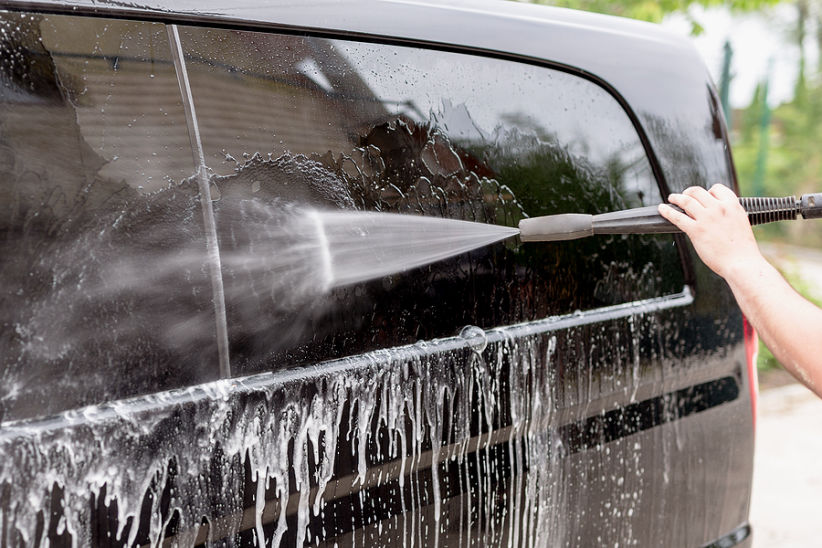
Sports grounds — football pitches, rugby clubs, cricket clubs, tennis courts, MUGAs, athletics tracks and the supporting infrastructure of stands, pavilions, dugouts and changing facilities — all need exterior cleaning to keep facilities safe, presentable and welcoming. Algae on terraces becomes a slip hazard, bird mess on stand seating becomes a hygiene issue, and tired-looking pavilions undermine the impression of even the best-run club.
We provide sports ground cleaning across the North East, working with professional and amateur clubs, schools and colleges, leisure operators, and sports development trusts. Most work is done out of season or between fixtures, but we can also handle reactive cleans during the playing year.
Areas we cover
- Stands and terraces — concrete, brick, painted surfaces
- Stadium seating — fixed plastic seats and tip-up units
- Dugouts and technical areas
- Pavilions and clubhouses — exterior frontages
- Tennis courts — synthetic clay, hard, artificial grass
- MUGAs (multi-use games areas)
- Athletics tracks — polyurethane and rubber crumb surfaces
- Changing facilities exterior
- Spectator concourses
- Car parks and access roads
Stadium seating cleans
Plastic stadium seats develop a grey-green film over the years from algae, atmospheric dirt, dropped food and drink, and bird mess. The texture of the plastic holds onto contamination that wiping won't remove. We use soft-wash cleaning with a uPVC-safe biocide that lifts the algae and grime, restoring seats to original colour. The work is typically done seat-by-seat with a long-pole sprayer, then rinsed.
For larger stadiums we work overnight or during the close season — the work is too noisy and disruptive to do during fixtures. Smaller community grounds can usually be done in a day.
Tennis courts and MUGAs
Sports surfaces present specific challenges. Hard tennis courts develop algae particularly on shaded sides, and the wrong cleaning approach affects ball bounce and surface friction. We use soft-wash biocide treatment without high pressure. Synthetic clay courts need extra care — the dressing material mustn't be disturbed.
Artificial grass and 3G surfaces have their own maintenance regime that's outside our usual scope (specialist surface contractors handle that). We can clean the surrounds, fencing and access points.
Pavilion and clubhouse exteriors
Most pavilions are timber-clad, painted, rendered or a mix. We treat pavilion frontages the same way we treat domestic exteriors — assessment, soft-washing where appropriate, careful pressure where the substrate allows. Cricket pavilions in particular are often Grade II or locally important; we work with conservation considerations where they apply.
When to book
End-of-season cleans (April–May for football and rugby, September–October for cricket) are the most popular slots. Pre-season cleans before opening fixtures are also common. Mid-season reactive cleans happen when something needs urgent attention — graffiti, vandalism, or a particularly grim sequence of weather. Lead times in popular booking windows are 3–4 weeks; we recommend booking early.
Frequently asked questions
When can we book sports ground cleaning?
End-of-season and close-season are the most popular. April–May for winter sports, September–October for cricket. We can fit shorter jobs around the playing year too.
Can you do tennis courts?
Hard courts and MUGA-style courts, yes — soft-wash biocide treatment without disrupting the surface. 3G and artificial grass need specialist surface contractors.
Are your operatives DBS checked?
Yes — for school and youth-club sites we can supply DBS-cleared operatives.
Do you handle larger stadiums?
Yes — we've worked on professional and semi-professional grounds. RAMS and method statements are supplied for every commercial job.